
During the AtLAST design study from 2021 - 2024, the members of Work Package 5 (Paola Velasco, Guillermo Valenzuela, Marianne Zeyringer, and Sabrina Sartori) explored options for including the community of San Pedro de Atacama in the design of the energy system for AtLAST. This sparked a discussion among stakeholders in the area about creating energy communities to address common issues in electricity generation. In the current AtLAST2 phase, the focus remains on the inclusion of local communities, but from a perspective in which AtLAST and other telescopes can contribute to sustainability at the local and regional levels, aligning this vision with Chile's ambition to achieve net-zero.
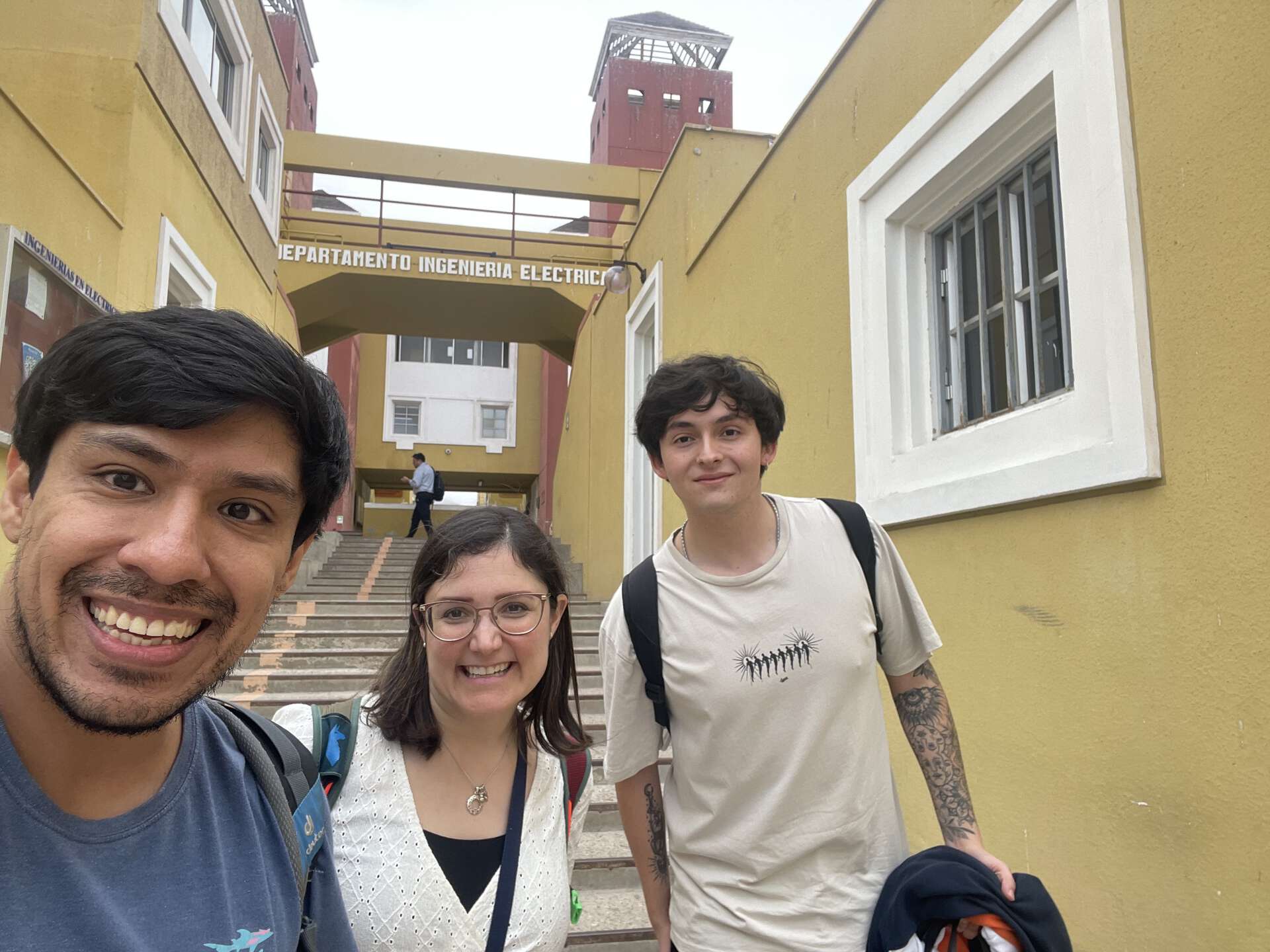
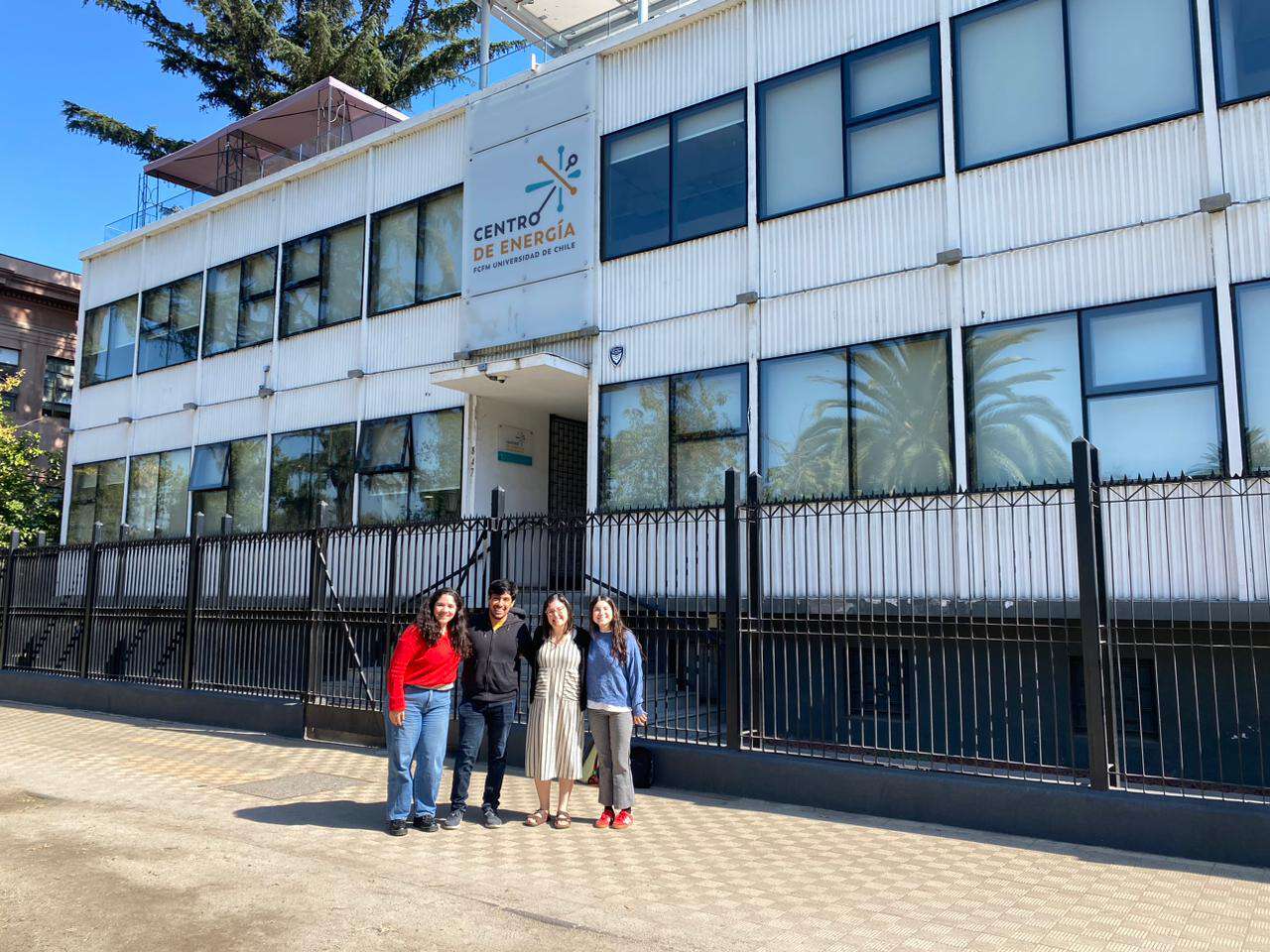
In March and April, researchers Paola Velasco and Guillermo Valenzuela, began meeting and interviewing roughly 20 stakeholders in San Pedro de Atacama, the Antofagasta region, and at the national level in Chile. These conversations involved civil servants from the Ministry of Energy and the Environment, as well as representatives from major energy companies, research centres, and universities, all of whom shared their views on sustainability within the region and the country.
Participants expressed broad support for embedding sustainability considerations into AtLAST from the design stage. They emphasised that this approach differs from previous scientific projects in the region and welcomed the change. “Personally, to hear this is very gratifying and makes me full of pride. A simple action, such as hearing and talking to the communities as well as including environmental aspects, may be translated into a big benefit at the end for all.” - says Guillermo. “It has been insightful to hear what sustainability means for different stakeholders, and how these diverse understandings can be useful to define a contribution of AtLAST that is truly meaningful to its neighbouring communities and host country, Chile.” - added Paola
The goal of the project now is to continue the interviews to reach a representative sample of stakeholders, enabling the definition of socially responsible energy scenarios for the AtLAST energy system. “We will try to collaborate with other stakeholders with similar goals. It is not a job for one person, and we need others’ collaboration to make this a reality, such as local researchers, industry, government representatives, and other telescopes in the area,” conclude Guillermo and Paola.
