
Excitement was in the air at the Institute of Technology Systems (University of Oslo) this June, when three of our researchers set off for their field trip to the Atacama desert in Chile. After having worked on including renewable energies into the power system of AtLAST for more than a year now, it was the first time in Chile for both PhD-candidate Isabelle Viole and Associate Professor Marianne Zeyringer.
Postdoctoral fellow Guillermo Valenzuela had already visited the site last year, to look for potential site locations of the new telescope.
Isabelle used the opportunity and lodged at the APEX basecamp for five days, to better understand how telescopes on the Chajnator plateau, at 5000 meters above sea level, are operated, and to discuss renewable energy options with the APEX collaborators (read more on “Synergies between future neighbours AtLAST and APEX”).
Meanwhile, Marianne and Guilermo were busy organizing and conducting workshops on community engagement in San Pedro de Atacama in collaboration with Luis and Maria from the EU Horizon project Renaissance (see in-depth “Workshop on Renewable Energy Communities in San Pedro de Atacama”).
Field trip to APEX
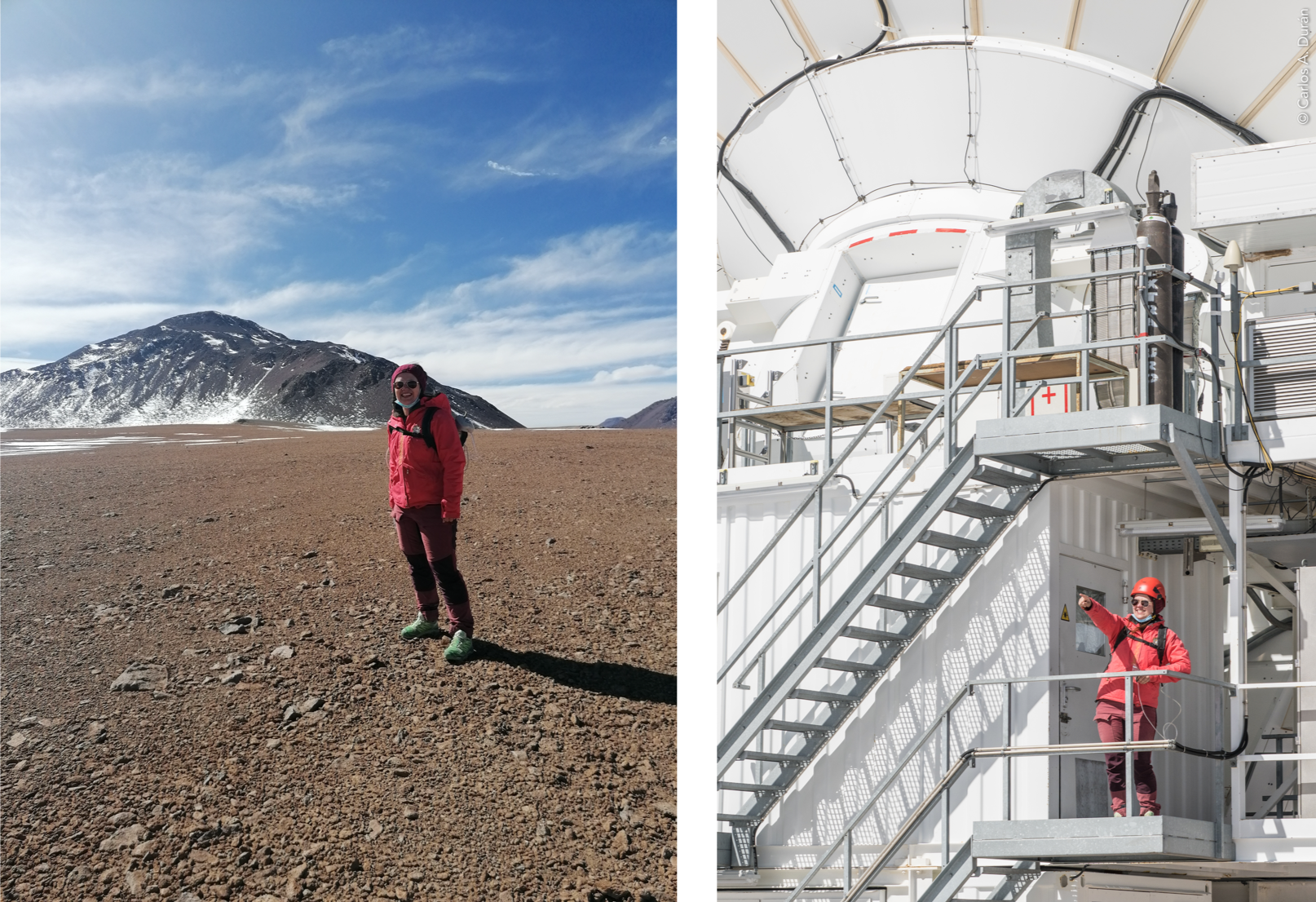
During Isabelle’s stay, she visited both the APEX telescope and one of the potential AtLAST sites, just a stone's throw away from APEX. The visit enabled profound discussions with engineers and scientists on site about how power is generated and consumed today and what would be required of a low-carbon energy system.
To date, the telescopes in the area are all relying on fossil fuels, not because they want to, but because it is the easiest solution for them to operate. I am very positive that we can find applicable solutions that include renewable energies here and am excited to further work on this with our collaborators,
Isabelle Viole said.
Further on, the AtLAST and Renaissance team members visited some power generators close to San Pedro de Atacama.
The hyperarid and high altitude location hold specific challenges for operating power plants, which we want to understand better,
she explained.
Visiting energy generators in the area
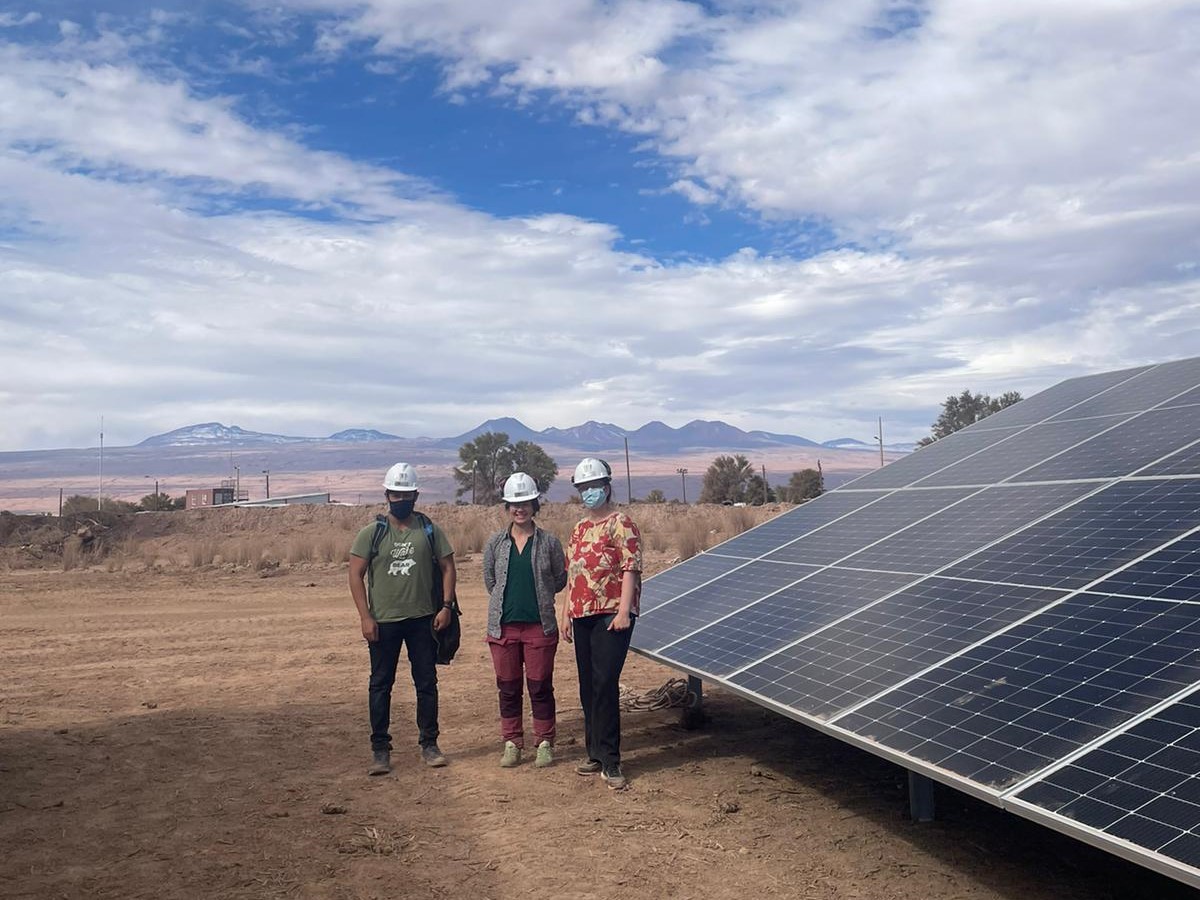
First, the local utility CESPA, Cooperativa de electricidad San Pedro de Atacama, gave a tour of their new 2 megawatts photovoltaic field, which is currently under construction (see first picture). This is set to power roughly a third of the city of San Pedro with carbon free electricity.
Further on, the AtLAST and Renaissance team members visited some power generators close to San Pedro de Atacama.
The hyperarid and high altitude location hold specific challenges for operating power plants, which we want to understand better,
Isabelle Viole explained.
First, the local utility CESPA, Cooperativa de electricidad San Pedro de Atacama, gave a tour of their new 2 megawatts photovoltaic field, which is currently under construction (see first picture). This is set to power roughly a third of the city of San Pedro with carbon free electricity.
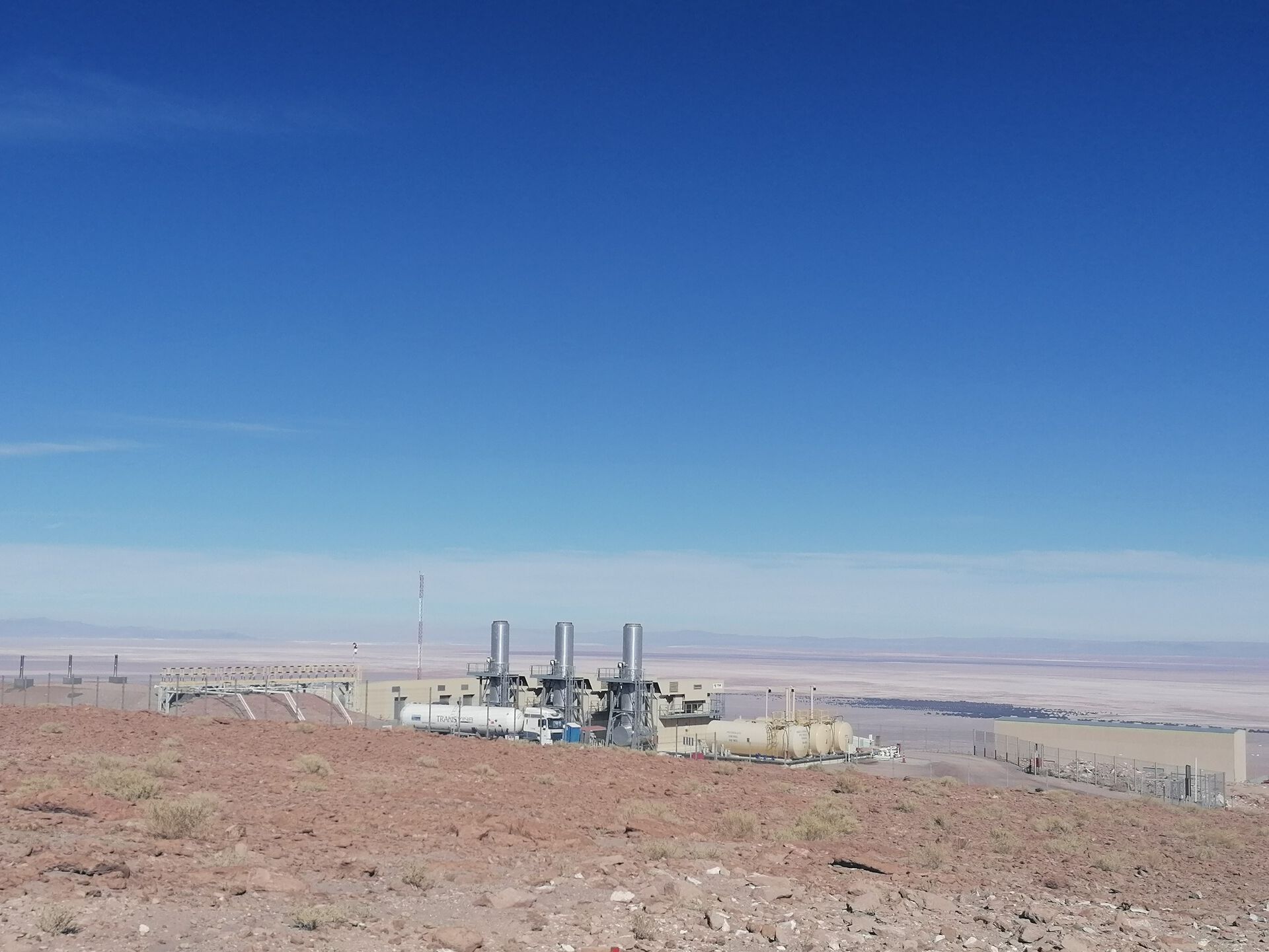
Next on the agenda was one of the giants of the telescope world, ALMA, The Atacama Large Millimeter/submillimeter Array. Their combined 66 radio telescopes are currently fueled by some impressive diesel generators and gas turbines, which the engineers on site were happy to explain in detail.


At the end of the trip, the team was delighted about its success:
We learned a lot about the specifics of this unique and remote place,
Marianne Zeyringer added,
I feel so excited to dive into our research on the energy and sustainability of AtLAST back home now,
she concluded.
Read more:
The WP5 - Energy study
The goal of Work Package 5 – Environmental Sustainability is to design a renewable energy system for AtLAST that is robust to social and specific factors, and ensures long-term sustainability of the project. (WP5) Experts on renewable energy systems from the University of Oslo will investigate and demonstrate technical challenges and opportunities of developing such a system. This study is a first of its kind for an astronomical observatory at the design study stage.
Contact information:
- Isabelle Viole, doctoral fellow at University of Oslo
-
Marianne Zeyringer, Assoc. Prof, at University of Oslo
For more info on AtLAST- design study visit www.atlast.uio.no
